A journey across archives, studios, and diasporic networks
AMCA has recently completed an intensive field research trip across Yerevan, Tbilisi, and Paris — a key step in our ongoing work to document, contextualise, and position Armenian modern and contemporary art within a global framework.
By engaging with archives, institutions, and artists, we are reconstructing overlooked histories and mapping new connections that shape Armenian art’s place in the global narrative.
Fragmented Histories
Armenian art histories remain dispersed across geographies, archives, and personal
collections, limiting their visibility within global narratives.
Limited Documentation
Key materials — including artworks, archives, and exhibition histories — remain insufficiently recorded or digitised.
Dispersed Diaspora
Armenian artists have long operated across borders, yet their contributions are rarely understood as part of a connected international context.
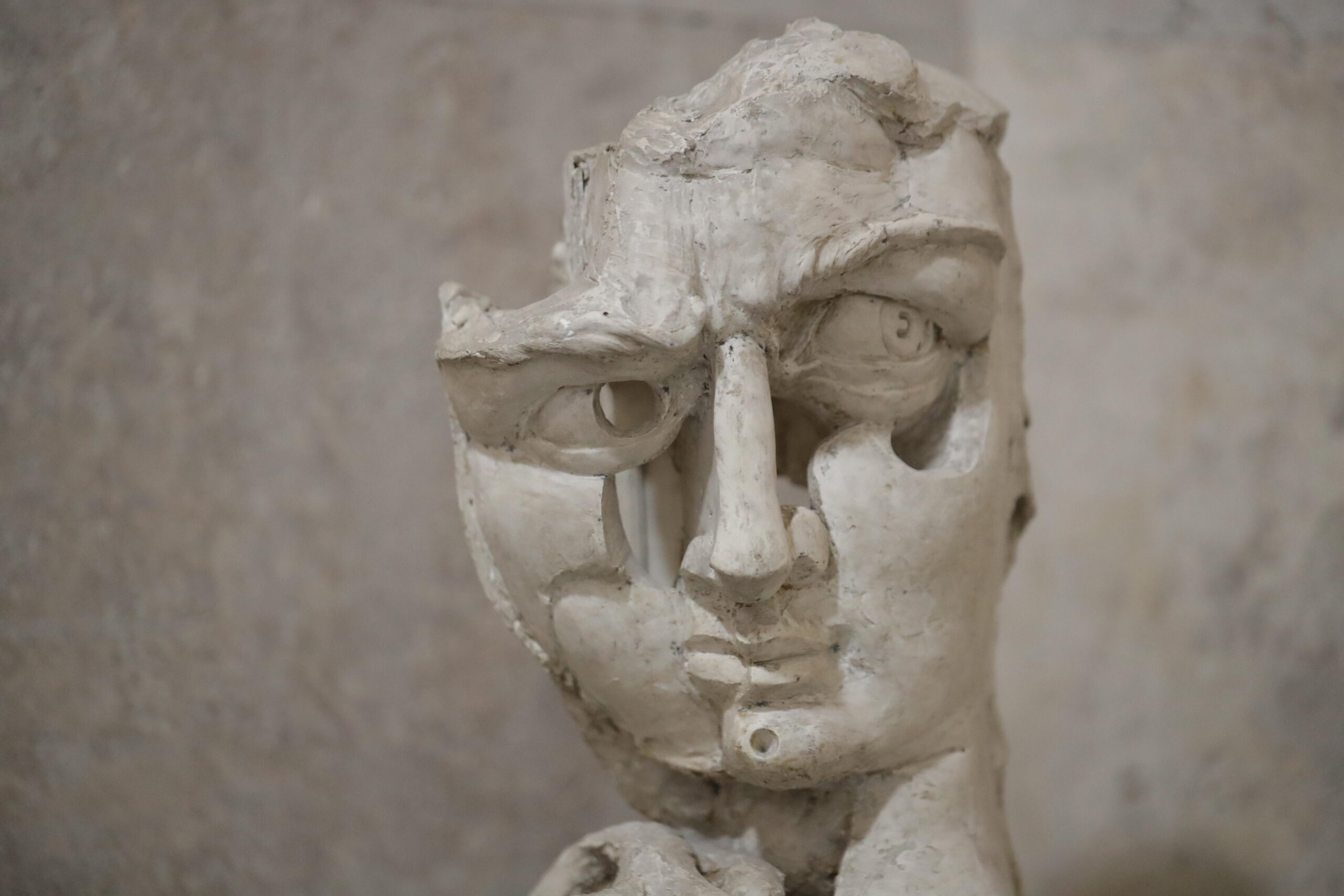
Yerevan
Revisiting Origins
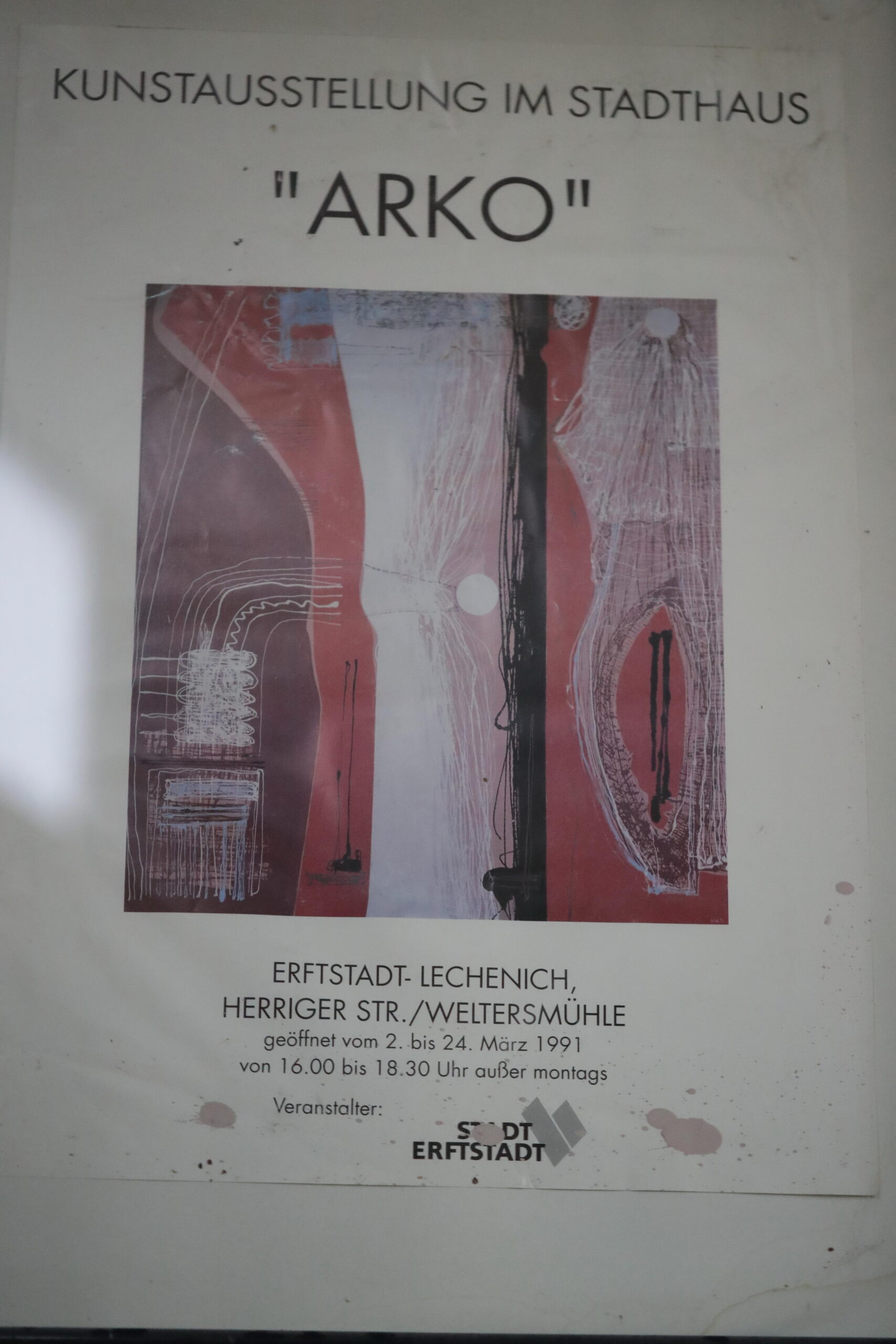
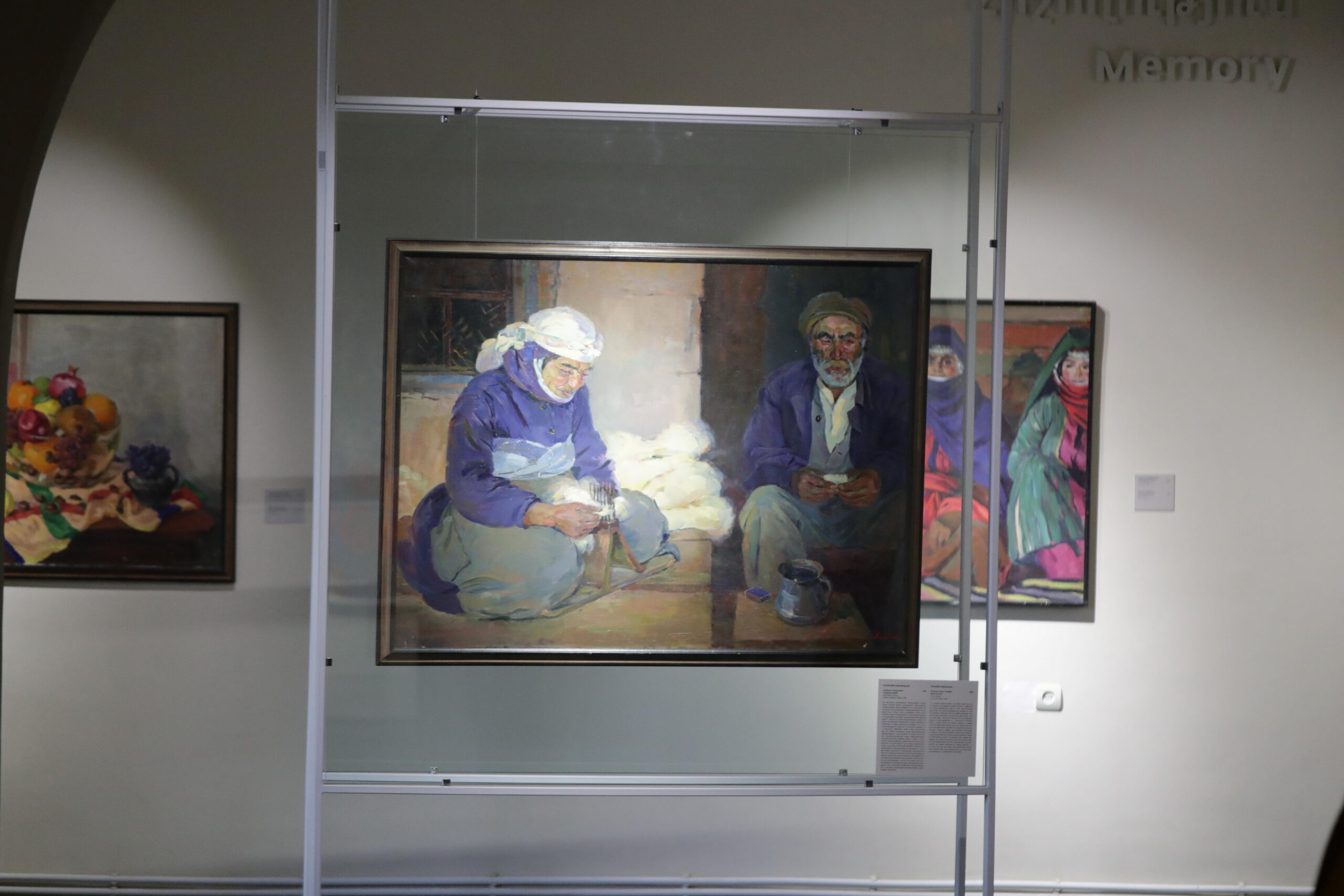
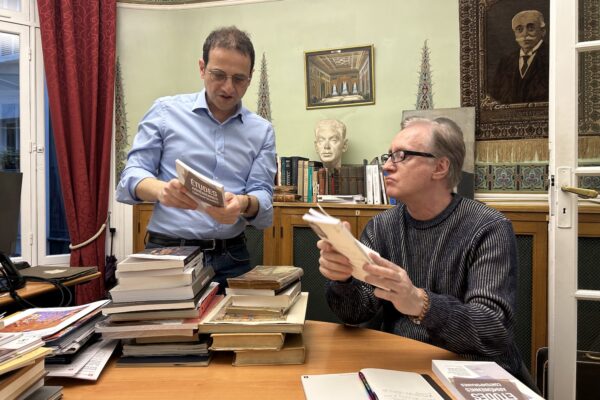
- Archival research in national collections
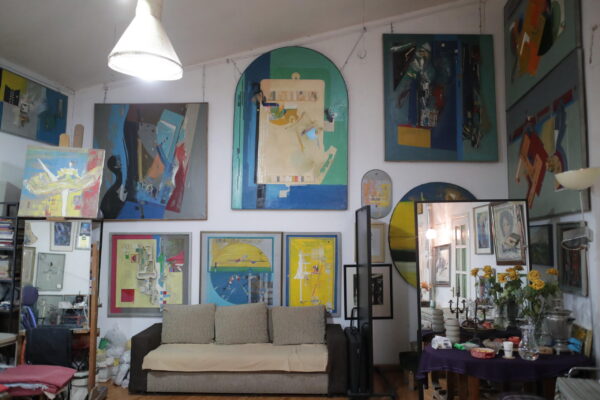
- Studio visits and artist conversations
- Meetings with institutions and experts
- Documenting underrepresented material
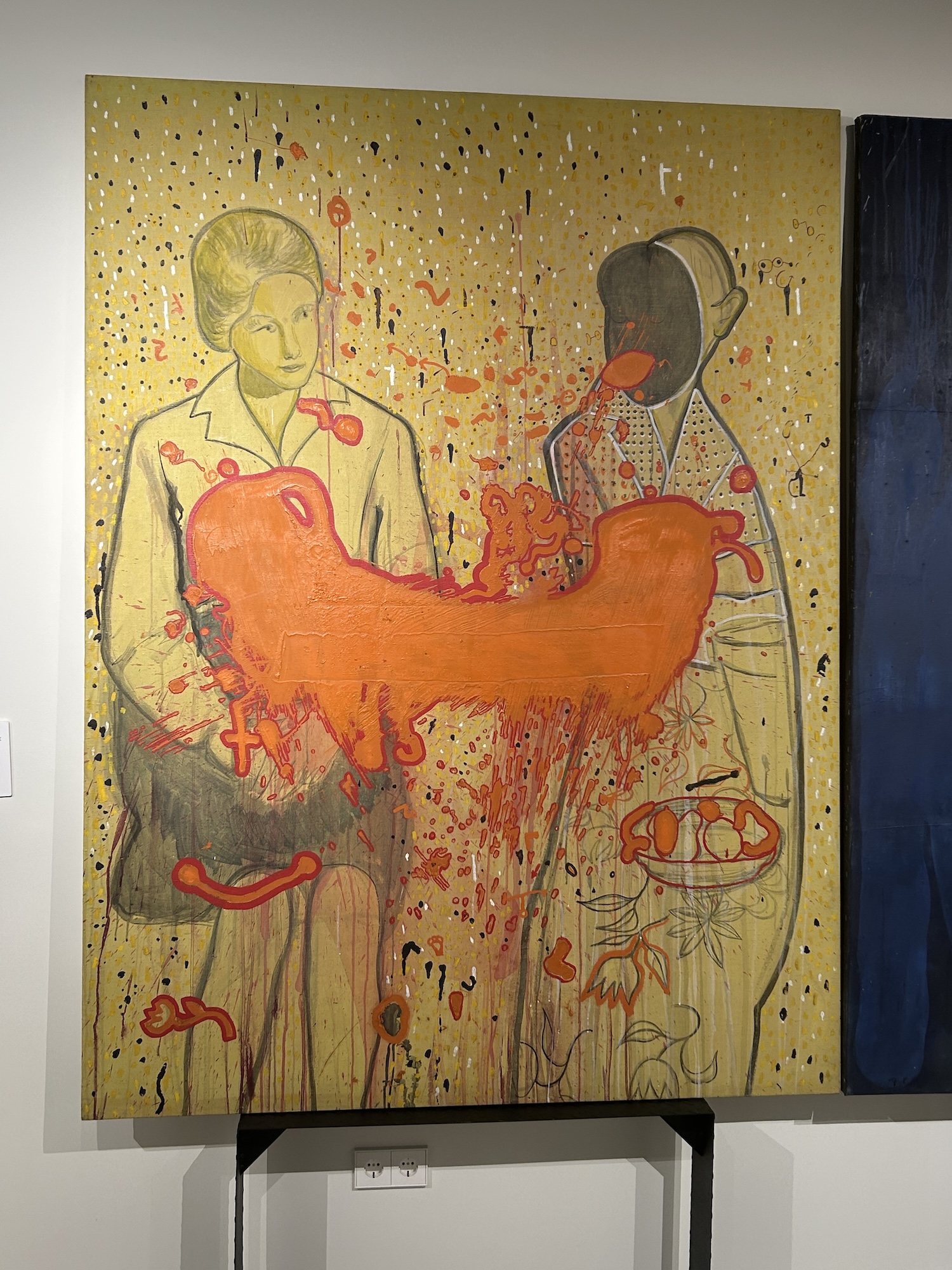
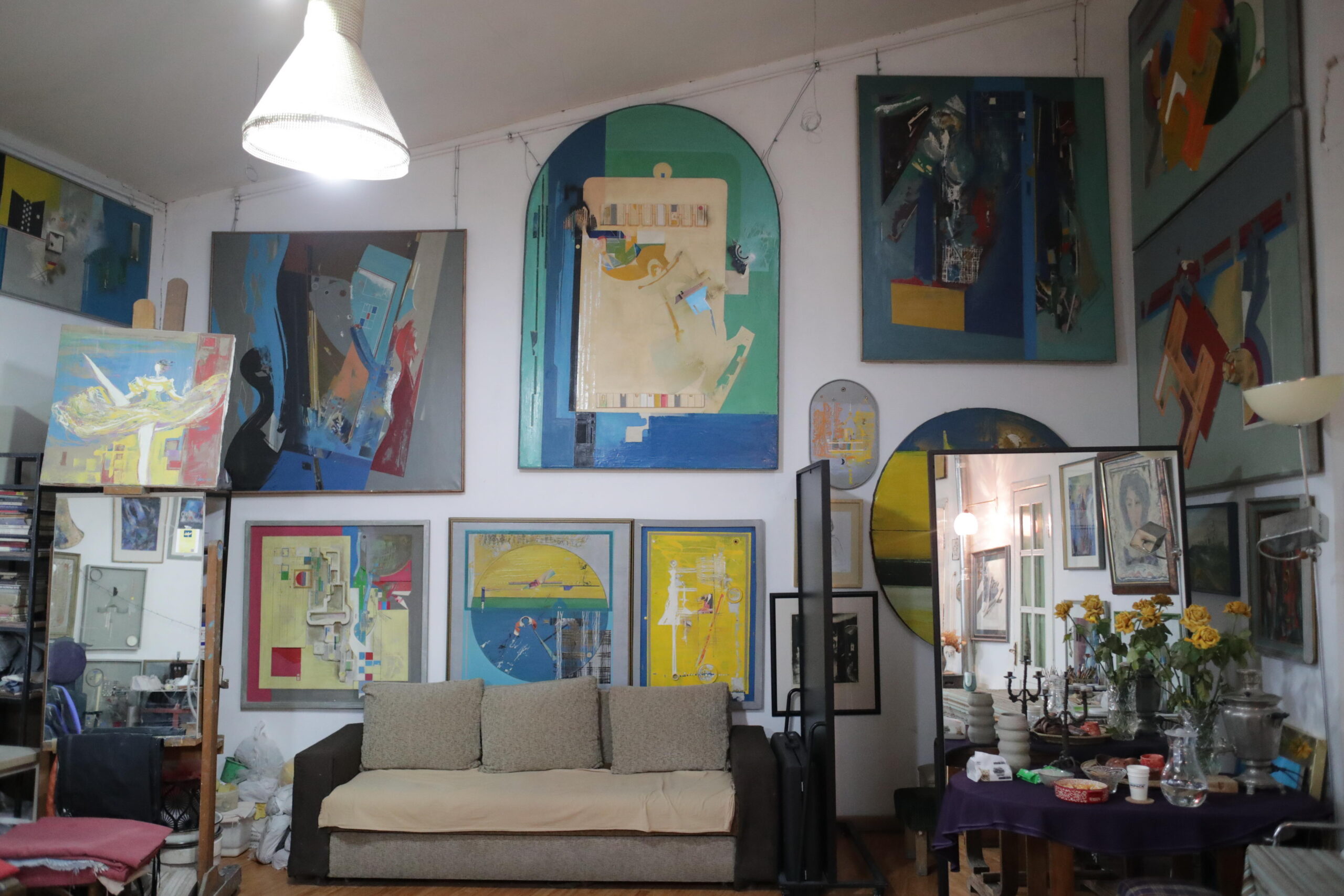
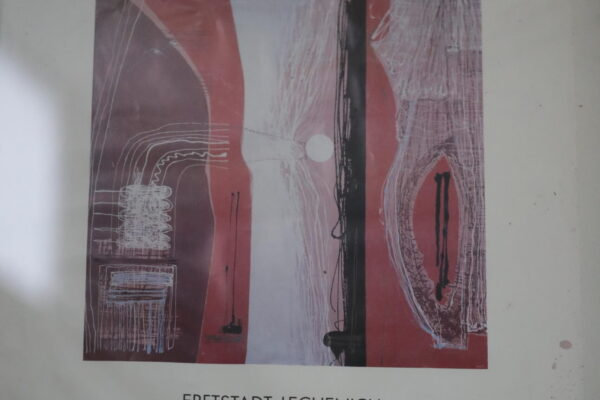
In Yerevan, the research focused on national collections, institutional archives, and direct engagement with artists and curators, highlighting both the richness of local production and the need for broader international visibility.
Tbilisi
Crossing Histories
- Exploring the legacy of the Tiflis School
- Tracing Armenian–Georgian artistic exchange
- Discovering overlooked collaborations
- Mapping regional networks
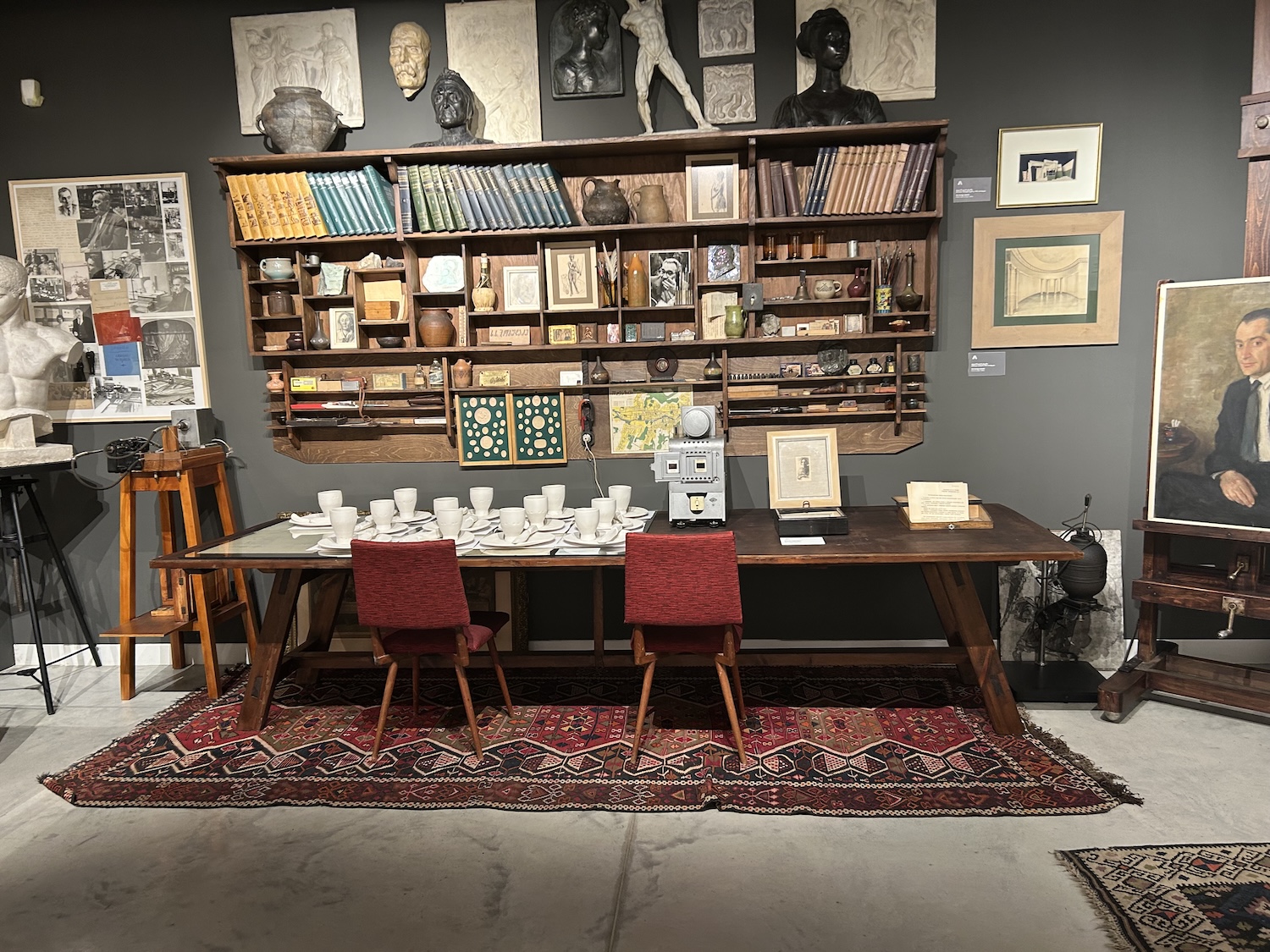
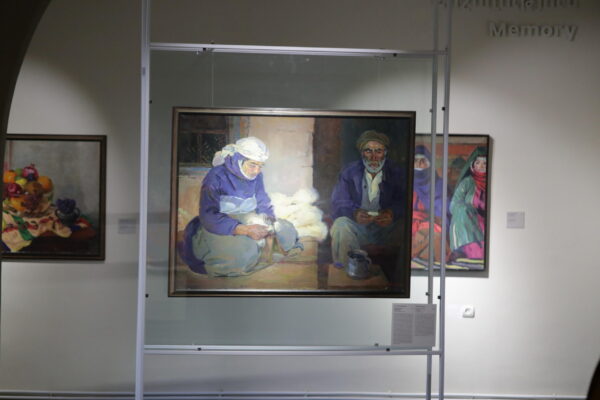
In Tbilisi, the research examined cross-border artistic exchange and the shared cultural environment often referred to as the Tiflis School, revealing how artistic ideas developed through proximity rather than national boundaries.
Paris
Diaspora Connections
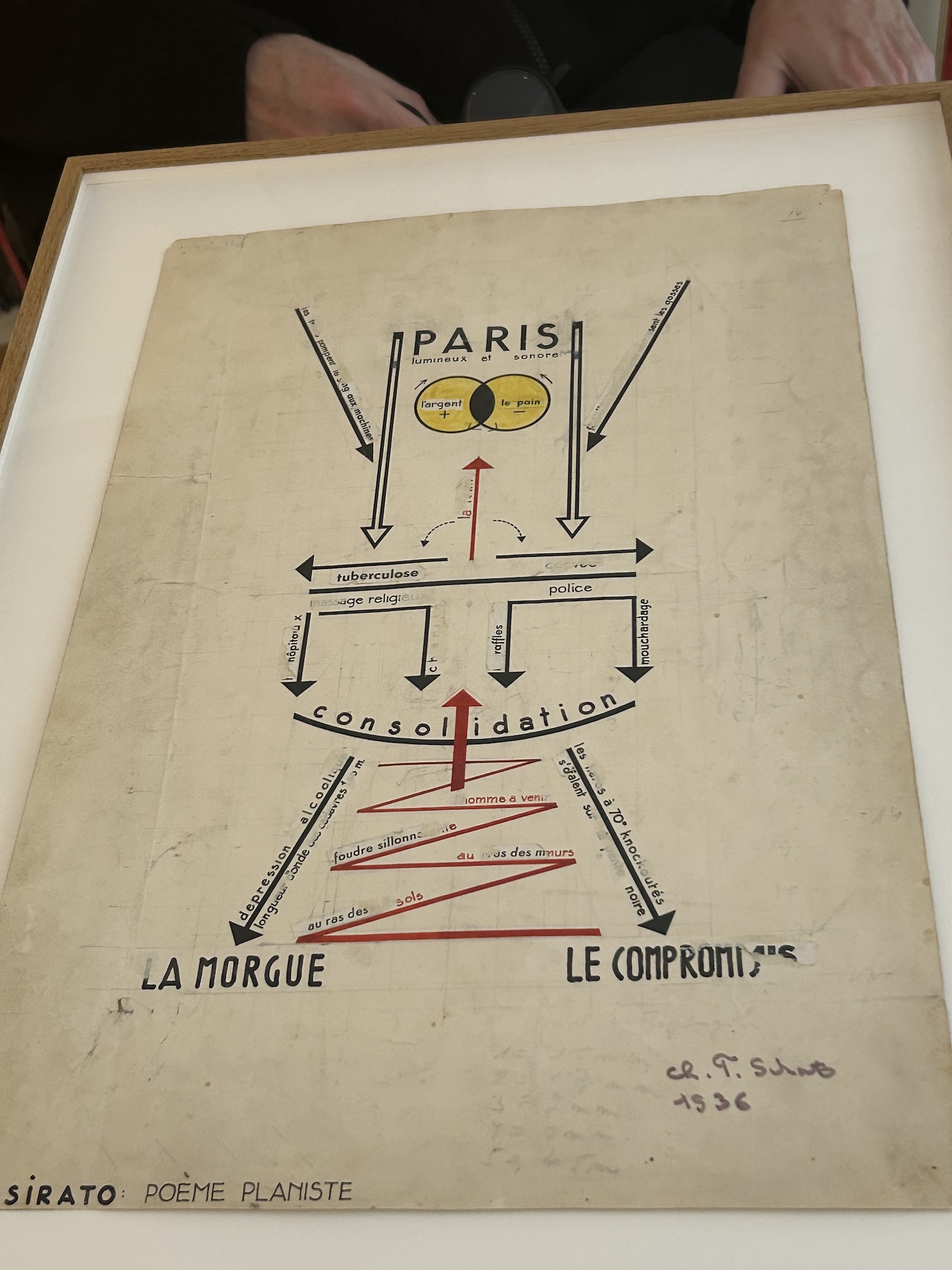
- Researching diaspora archives
- Reconstructing avant-garde links
- Tracing exhibition and publication histories
- Engaging with communities and institutions
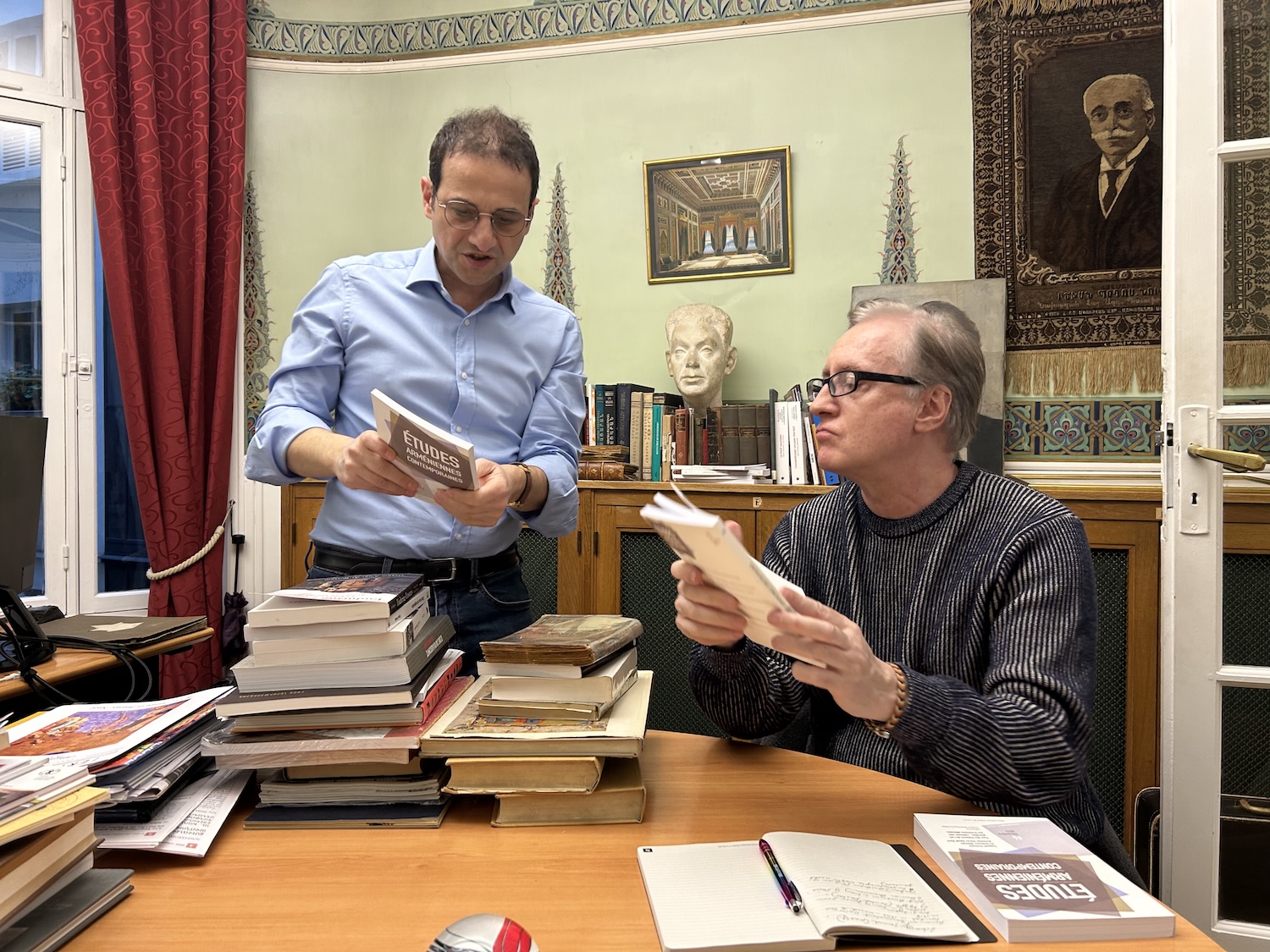
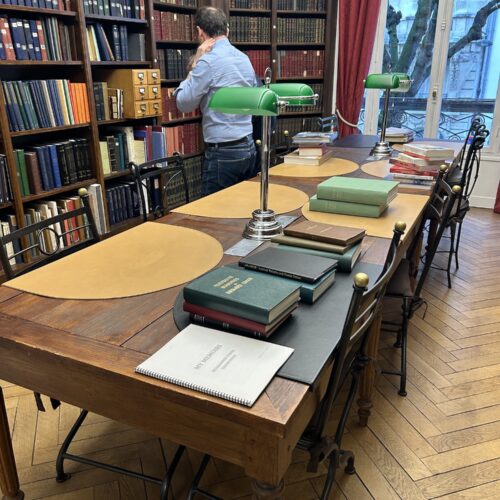
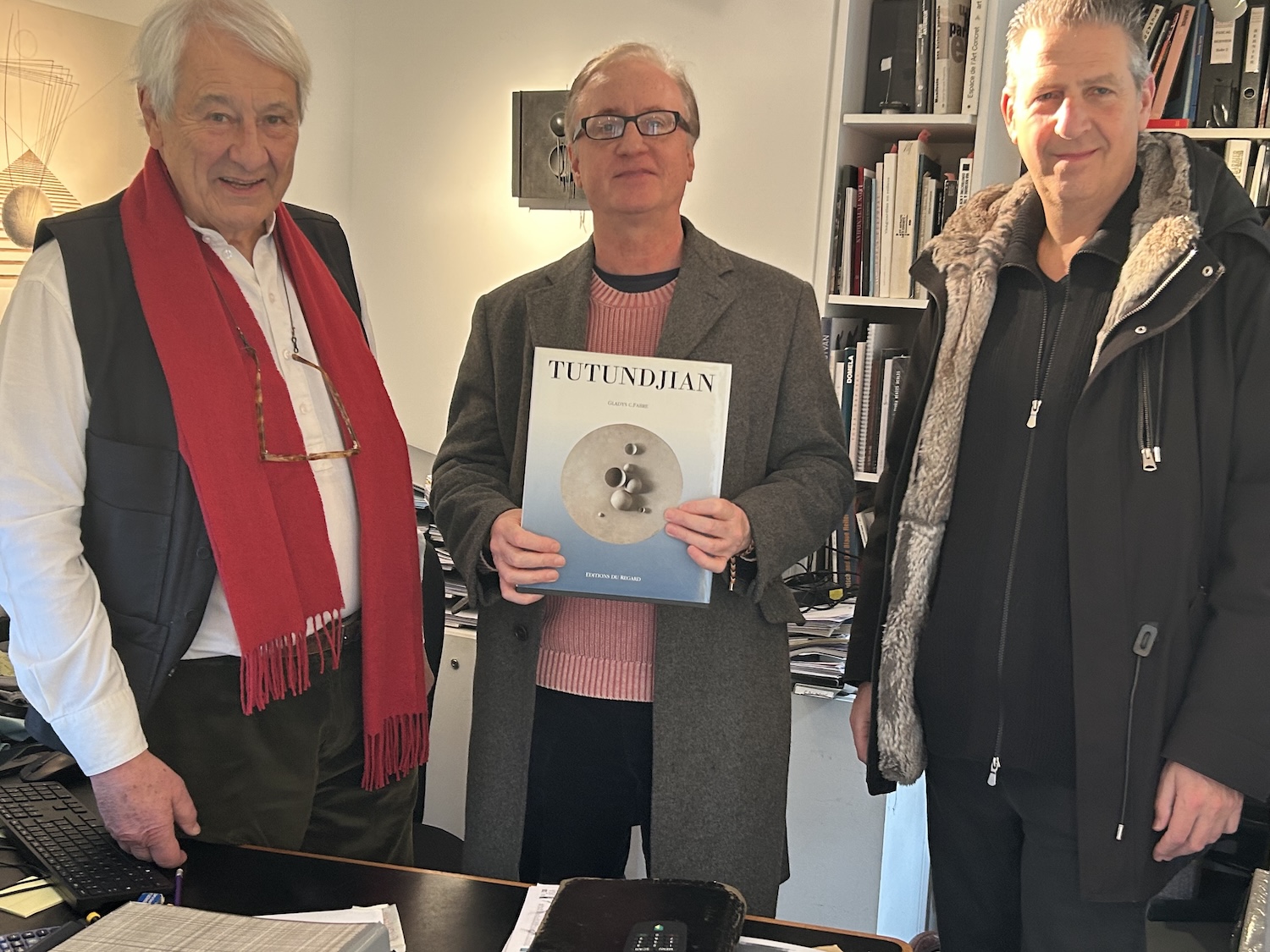
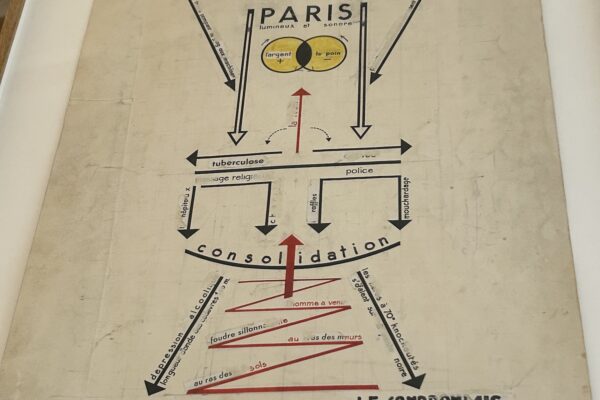
In Paris, the research focused on the Armenian diaspora and its role within European modernism, tracing exhibition histories and institutional networks that situate Armenian artists within a wider international context.
RESEARCH IN ACTION
Interviews
Documentation
Permisions
Degitization
Routledge
Scholarly book on Armenian art
AMCA Conference Contribution
Sharing findings and building dialogue
Digital Archive Development
Preserving and sharing resources
Funded by
Calouste Gulbenkian Foundation – Armenian Communities / Հայկական Բաժանմունք
The National Association for Armenian Studies and Research (NAASR)