Armenian Art.

A story the world hasn’t fully heard.

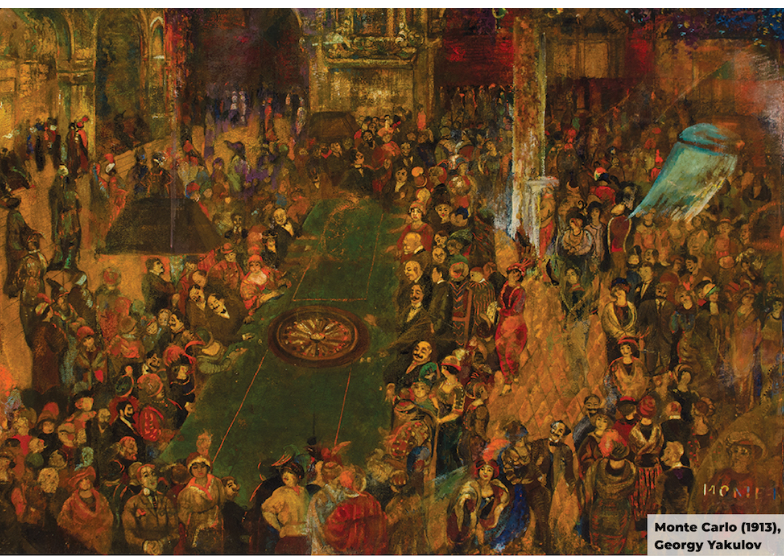
Fragment of work by Gorky, The Garden of Sochi 1941


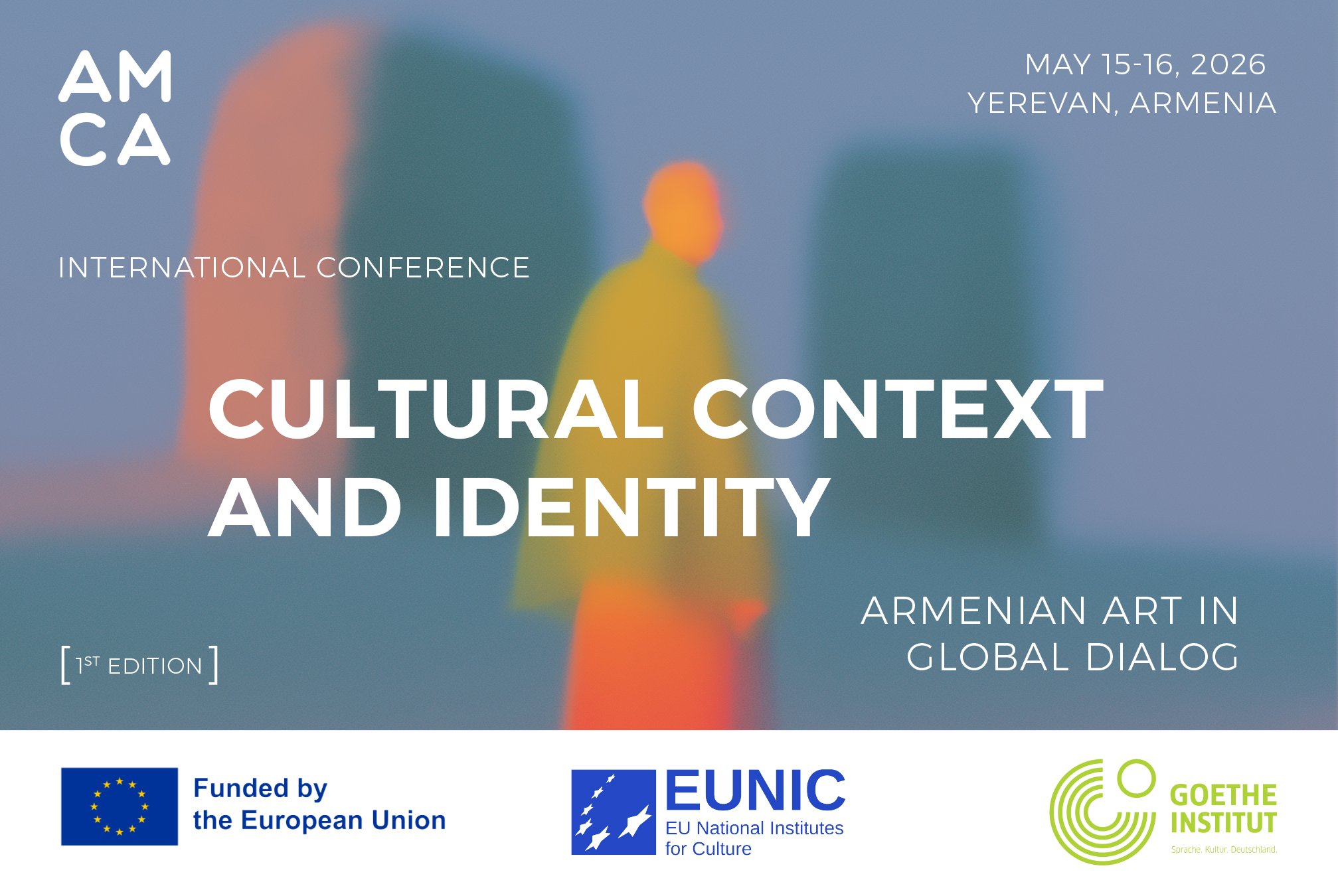
Cultural Context and Identity:
Armenian Art in Global Dialogue

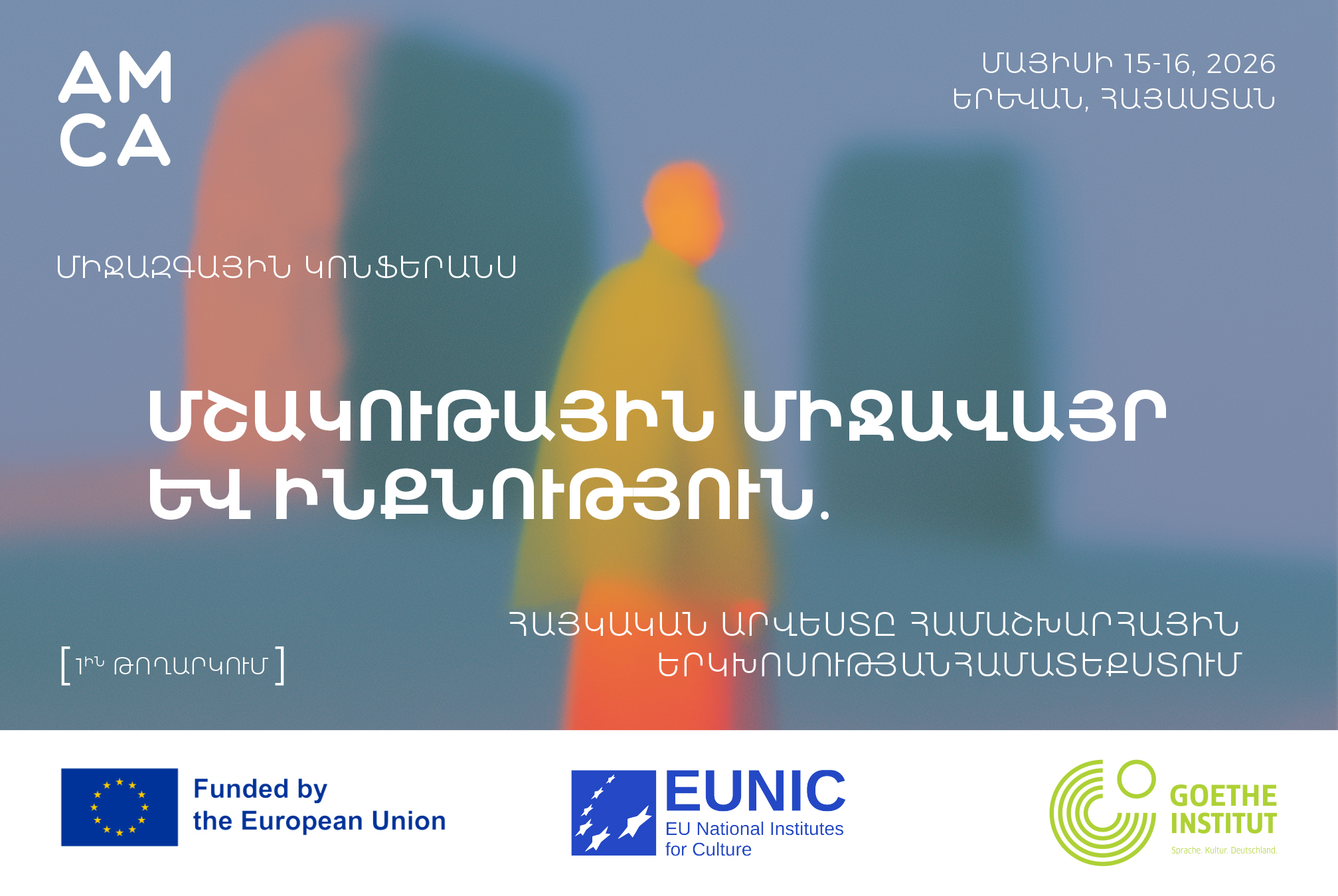
May 2026/ Yerevan

What do we do?

AMCA LAB

OUR EVENTS & RESOURCES

Research Across Yerevan, Tbilisi and ParisResearch

Research Across Yerevan, Tbilisi and Paris

AMCA has recently completed an intensive field research trip across Yerevan, Tbilisi, and Paris — a key step…
Art in the Post-Soviet World: Armenia and the CaucasusEvents

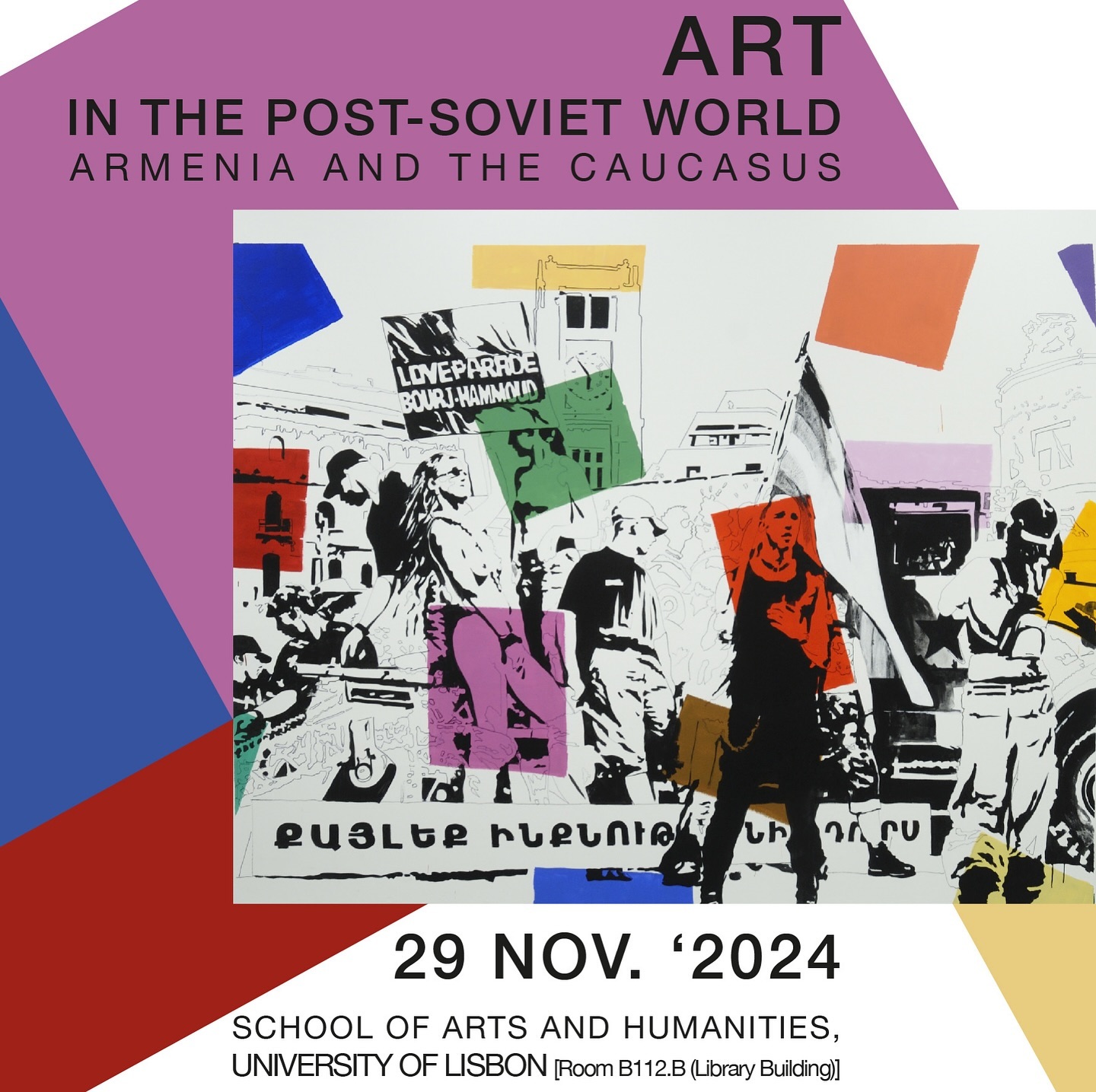
Art in the Post-Soviet World: Armenia and the Caucasus

📍 University of Lisbon | November 28–30, 2024 This international conference brought together academics, curators, and art critics…
Online PresentationEvents

Online Presentation

Armenian artists of the diaspora contributed greatly to the artistic life of their birth places and in some…

These are our partner institutions:

This presentation examines the question of national identity among artists of the Tbilisi school of painting of both Georgian and Armenian origin. It focuses on professional artists Mose Toidze and Grigol Sharbabchyan, as well as self-taught painters Niko Pirosmani and Karapet Grigoryants.

A comparative analysis of their works reveals, on the one hand, shared themes and motifs, and on the other, differences in aesthetic and artistic perception. These differences, among artists living within the same geographical and social environment, demonstrate the resilience of long-standing national traditions in both cultures.

Abstract: Charles Sirató’s Dimensionist Manifesto (1936) created a network linking the international avant-garde, including Ervand Kotchar and António Pedro. Grounded in the theory of relativity and an interpretation of the fourth dimension, it extended this idea across literature, painting, sculpture, and their transgressions. These arts were expanded upon by adding a new dimension to the traditional ones. While Kotchar’s “painting in space” and Pedro’s dimensional poems viewed dimensional increase based on concepts of simultaneity and duration, Sirató emphasized a scientifically informed, material objectification as the basis for new perception. Together, these perspectives define a key transformation of the art object in the avant-garde in the 1930s.


Leon (Serge) Tutundjian: A Moment in Time: The Paris avant garde in transition amid a multiplicity of theories and practices.

Between 1925 and 1930, Paris functioned as a cauldron of ideas and experimental practices across film, poetry, sculpture, painting, and philosophy. At the centre of these developments were urgent questions of space and metaphysics-above all, the relationship between objects and the role of the viewer in the realisation of a work of art.

Within this field, Leon (Serge) Tutundjian emerges as a key figure. His work destabilises form, collapsing the boundary between object and perception and requiring the viewer’s active participation. In doing so, he anticipates the logic of Tachism-not as a style, but as a mode of thought in which the artwork is realised through perception.

Alongside Kochar and Kakabadze, Tutundjian exhibited with the Parisian avant- garde, contributing to a shift from form to experience. The Wall Street Crash of 1929 curtailed this moment of experimentation, forcing artists and markets into retreat. Tutundjian left Parris soon after, his trajectory abruptly interrupted.

This brief period-following the cultural intensity of Weimar Berlin-proved decisive in shaping modernism. Though now largely forgotten, Tutundjian was not peripheral, but integral to this redefinition of the artwork as a site of unstable meaning and viewer realisation.

This presentation explores how the unique institutional model of the ZKM | Center for Art and Media, Karlsruhe supports media art across its entire lifecycle: From ideation and production through exhibition to preservation and restoration. Central to this approach is empowering artists through the support infrastructure and expertise of its people, integrating cutting-edge tools into an ecosystem that bridges artistic production, maintenance, and long-term conservation of
media art works.

What happens when a museum cannot honestly say what a work is, who made it, or whether what you are seeing matches what was first shown? This talk argues that digital instability is not a technical problem awaiting a solution — it is the underlying condition of cultural work today. Moving through three interlocking registers — technical, cognitive, and authorial — it proposes framing as care as a curatorial practice adequate to the present: one that renders uncertainty legible rather than resolving it, and that holds institutions accountable for the systems they host, commission, and call art.

This presentation explores how and why the ArtNexus project integrates international expertise with local governance to foster a resilient and democratic cultural sector in Armenia. By examining our multi-stakeholder approach to policy development and institutional support, we highlight how collaborative program models can bridge the gap between global standards and local artistic needs while maintaining respect for cultural differences.

This theme looks at cross-border initiatives, artist collectives, and collaborative projects that connect Georgian and Armenian artists and cultural practitioners. In reaction to common histories of empire, conflict, migration, and underfunded cultural infrastructures, it emphasises the practical, ethical, and political aspects of cooperation. It explores how such partnerships negotiate national narratives and conflict legacies while addressing networked practices, such as co-productions, artist-run spaces, residencies, exhibitions and digital platforms.